


Research has shown ultra-processed foods may be the culprit behind rising colon cancer rates — but a new study suggests the type makes a difference.
In the study, published in the journal PLOS Medicine on Oct. 15, researchers found no association between overall ultra-processed food intake and colorectal cancer incidence. Findings differed, however, by type of food.
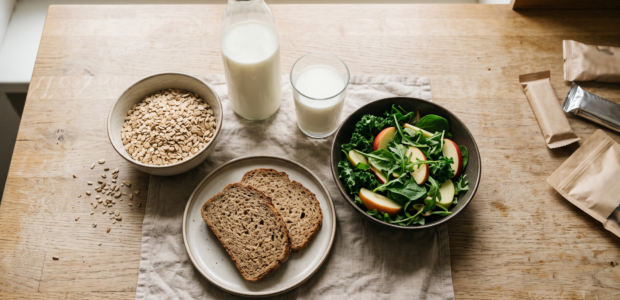
Higher intake of whole grain and dairy products from ultra-processed food sources was associated with lower colorectal cancer incidence, whereas processed meat from ultra-processed food sources was associated with higher risk, according to the study.
“Our findings support current dietary guidance to consume whole grains, fiber, dairy and calcium and avoid processed meat for (colorectal cancer) prevention,” the authors wrote.
Researchers also found you could lower your cancer risk by replacing some of your ultra-processed food intake with minimally processed foods.
The study used data from 461,682 adults aged 50 to 71 years over the course of about 18 years. Their eating habits, including ultra-processed food intake, were estimated using food frequency questionnaires.
Because of this, and the study’s observational design, the authors note there are some limitations.
“The researchers caution against generalizing these findings to younger, more diverse populations,” a new release notes. “The study cohort included primarily older, white Americans and only measured (ultra-processed food) intake once at baseline.”
Colorectal cancer is the leading cause of cancer-related death among people under 50 in the United States, according to the American Cancer Society, jumping from the fifth-leading cancer death in the early 1990s to the first in 2026.
“We weren’t expecting colorectal cancer to rise to this level so quickly, but now it is clear that this can no longer be called an old person’s disease,” Dr. Ahmedin Jemal, senior vice president of surveillance, prevention and health services research at the American Cancer Society, said in a January news release.